

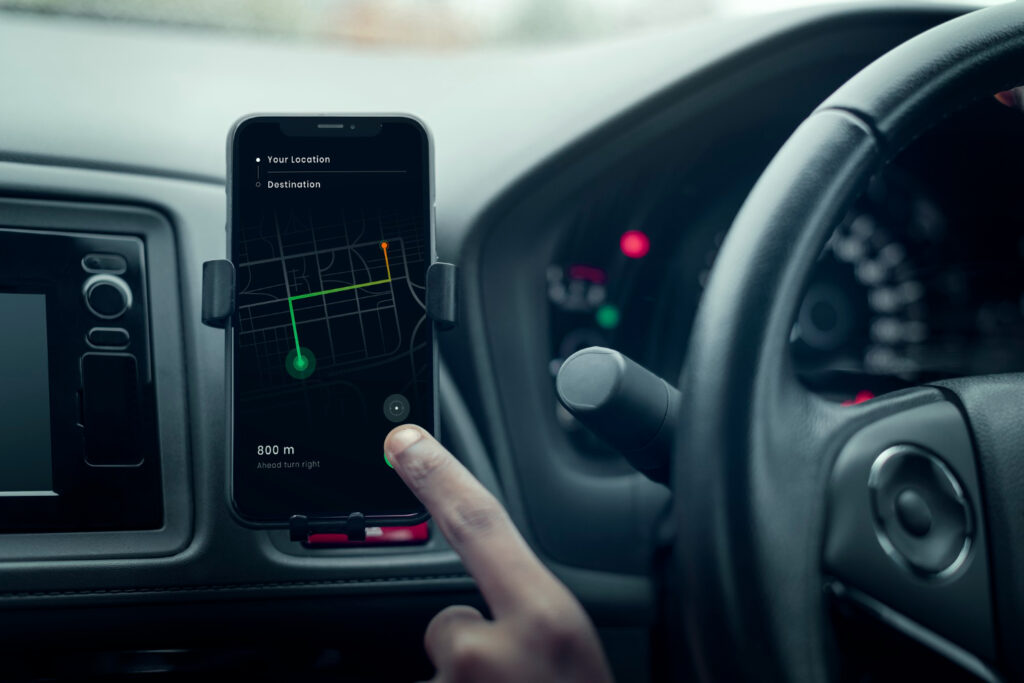
Managing a fleet effectively can be difficult for companies that depend on vehicles, whether for field services, transit, or delivery. Higher operating costs are frequently caused by rising fuel prices, unforeseen delays, and a lack of visibility into vehicle operations. GPS tracking is essential in this situation. GPS monitoring solutions help organisations run more efficiently, cut down on wasteful spending, and enhance fleet performance by offering real-time information on vehicle location, routes, and driver behaviour.
GPS tracking has become a crucial tool for businesses looking to increase fleet efficiency while controlling operating expenses in the competitive business environment of today.
What Is GPS Vehicle Tracking?
GPS vehicle tracking is a technology that tracks a vehicle’s location and behaviour in real time using Global Positioning System (GPS) devices installed in the vehicle. Fleet managers may track vehicles via a dashboard or mobile application. These devices communicate via satellites and transmit data to a cloud-based platform and then generate a report which is visible on the dashboard.
Typical GPS vehicle tracking systems offer data like:
- Real-time location of vehicles
- Trip information and route history
- Driving style and speed
- Engine condition and idle time
- Notifications of unauthorised use or route deviations
With this level of visibility, businesses no longer need to rely on manual updates or constant phone calls with drivers. Now decisions can be made based on accurate, real-time data.
Why Fleet Efficiency Matters More Than Ever
While managing a fleet business, there are several components that need regulation. This includes drivers, vehicles, routes, deliveries, and fuel usage. Missing out on any one over time might result in large financial losses.
- Fuel consumption rises when drivers take longer routes.
- Fuel is wasted, and the vehicle’s lifespan is shortened by excessive idling.
- Delays and missing deliveries result from a lack of real-time visibility.
These inefficiencies can be managed with the use of GPS vehicle tracking, which increases output and reduces operating expenses.
Key Ways GPS Vehicle Tracking Improves Fleet Efficiency
1. Real-Time Fleet Visibility
One of the biggest advantages of GPS vehicle tracking is the ability to monitor vehicles in real time. Fleet managers can instantly see:
- Where each vehicle is located
- Whether a driver is following the planned route
- If a vehicle is stuck in traffic or delayed
This real-time visibility allows businesses to respond quickly to unexpected situations. For example, if a driver encounters heavy traffic, managers can redirect the vehicle to a faster route. This not only improves delivery timelines but also enhances customer satisfaction.
2. Better Route Optimization
GPS tracking systems store historical trip data that helps businesses analyse travel patterns and identify the most efficient routes. By optimizing routes, companies can:
- Reduce travel distance
- Minimize fuel consumption
- Increase the number of deliveries per day
For businesses that operate large fleets, even minor route improvements can lead to significant savings over time.
3. Reduced Fuel Costs
Fuel is one of the largest expenses in fleet operations. GPS tracking systems help control fuel costs by identifying behaviours that waste fuel. For example, the system can detect:
- Excessive idling
- Unauthorized vehicle usage
- Inefficient routes
- Aggressive driving patterns
Businesses may drastically cut fuel wastage by tackling these problems. After using GPS monitoring devices, several businesses claim to have saved up to 10–20% on fuel.
4. Improved Driver Accountability
Drivers are more likely to drive responsibly when they are aware that their driving habits and routes are being watched. GPS monitoring devices reveal information about driver behaviour, including:
- Speeding
- Harsh braking
- Sudden acceleration
- Long idle times
This information can be used by fleet management to mentor drivers and promote safer driving practices.
In addition to lowering the likelihood of accidents, safer driving also saves money on insurance and car maintenance.
5. Faster Response to Operational Issues
Without GPS tracking, it can take hours to identify problems such as route delays or vehicle breakdowns. With GPS tracking, managers receive instant alerts when something unusual happens, such as:
- A vehicle leaving its assigned route
- Extended idling
- Unexpected stops
This allows businesses to act quickly and keep operations running smoothly.
The Growing Importance of GPS Tracking in Fleet Management
As businesses continue to adopt digital technologies, GPS vehicle tracking is becoming a standard component of modern fleet management systems. When integrated with other technologies such as fuel sensors, telematics, and video monitoring, GPS tracking provides even deeper insights into fleet performance. These advanced systems help businesses make smarter decisions, prevent operational issues, and optimize fleet operations.


